
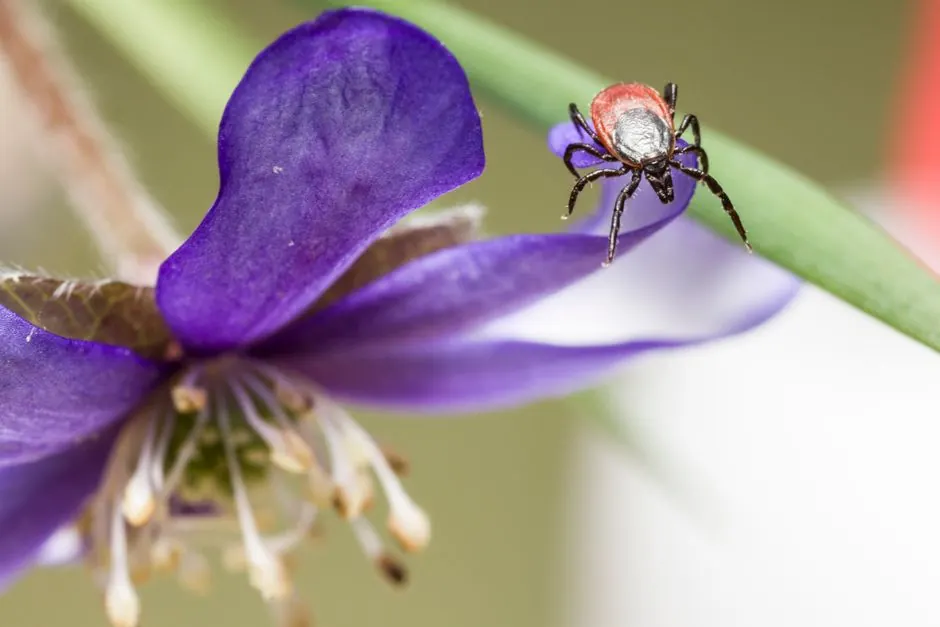
As spring approaches in Bremerton, preparing for flea and tick season is essential for pet owners and homeowners alike. These pests can cause significant discomfort for your pets and pose health risks to your family. In this guide, we will cover effective strategies to prepare for and prevent flea and tick infestations in your home and on your pets.
Understanding Fleas and Ticks
Fleas and ticks are common pests that thrive in warm weather. Fleas are small, wingless insects that feed on the blood of mammals and birds. They can jump long distances and reproduce rapidly, making them a persistent problem. Ticks, on the other hand, are arachnids that latch onto the skin of animals and humans, feeding on blood and potentially transmitting diseases such as Lyme disease.
In Bremerton, the moist climate provides an ideal environment for these pests. Understanding their life cycles and habits is crucial for effective prevention.
Signs of Infestation
Detecting a flea or tick infestation early can save you time and money. Here are some signs to watch for:
- Flea bites: Small, itchy red bumps on your skin, often around the ankles and lower legs.
- Flea dirt: Small black specks on your pet's fur or in their bedding, which are actually flea feces.
- Excessive scratching: Pets may scratch or bite at their fur more than usual.
- Ticks on pets: Visible ticks attached to your pet's skin, often found in the ears, between toes, or under the collar.
Prevention Tips for Your Home
Preventing fleas and ticks starts with your home environment. Here are some effective strategies:
- Regular cleaning: Vacuum carpets, rugs, and upholstery weekly. Wash pet bedding in hot water regularly.
- Yard maintenance: Keep your lawn trimmed and remove debris where fleas and ticks can hide.
- Use preventive treatments: Consider using flea and tick prevention products for your home, such as sprays or foggers.
- Seal entry points: Ensure windows and doors are properly sealed to prevent pests from entering.
For those seeking comprehensive solutions, our Flea and Tick Control in Washington service can help eliminate existing infestations and prevent future ones.
Protecting Your Pets
Your pets are particularly vulnerable to fleas and ticks, so it's crucial to take preventive measures:
- Regular grooming: Brush your pets regularly to check for fleas and ticks.
- Preventive medications: Consult your veterinarian about flea and tick prevention products suitable for your pets.
- Limit outdoor exposure: Keep pets indoors during peak flea and tick seasons, especially in wooded or grassy areas.
By implementing these measures, you can significantly reduce the risk of infestations in your home and on your pets.
Common Mistakes to Avoid
Many homeowners make mistakes that can lead to flea and tick infestations. Here are some common pitfalls:
- Neglecting yard maintenance: Overgrown grass and weeds provide shelter for ticks and fleas.
- Skipping preventive treatments: Failing to use flea and tick prevention products on pets can lead to infestations.
- Ignoring signs of infestation: Waiting too long to address signs of fleas or ticks can lead to a larger problem.
When to Call a Professional
If you notice persistent signs of fleas or ticks despite your best efforts, it may be time to call in the experts. Washington Pest Pros can provide thorough inspections and effective treatments to eradicate these pests. Our team understands the unique challenges of pest control in Bremerton and can tailor solutions to your specific needs.
Frequently Asked Questions
How can I tell if my pet has fleas? Look for excessive scratching, flea dirt in their fur, and small red bumps on their skin. Regular grooming can also help spot fleas early.
What are the health risks associated with ticks? Ticks can transmit diseases such as Lyme disease and Rocky Mountain spotted fever. It's crucial to remove ticks promptly and monitor for symptoms.
How often should I treat my home for fleas and ticks? During peak season, it's advisable to treat your home every few months. Regular cleaning and preventive measures can help maintain a pest-free environment.
Can fleas survive in winter? Yes, fleas can survive indoors during winter months. They thrive in warm environments, making it essential to maintain preventive measures year-round.
What should I do if I find a tick on my pet? Remove the tick carefully with tweezers, pulling straight out without twisting. Clean the area with antiseptic and monitor your pet for any signs of illness.