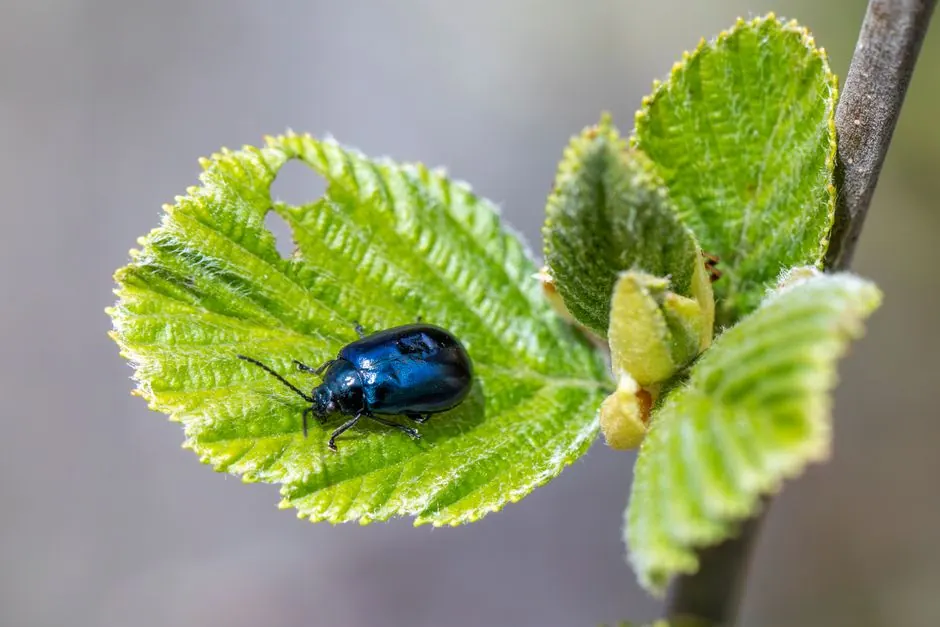
As spring arrives in Spokane Valley, many homeowners notice a surge in pest activity. This seasonal uptick can be attributed to various factors, including warmer temperatures and increased moisture. In this article, we will explore the reasons behind this phenomenon and provide practical tips for managing pests effectively.
Understanding Seasonal Pest Activity
Spring is a critical time for pest populations. As temperatures rise, insects and rodents emerge from their winter dormancy in search of food and shelter. This increase in activity can lead to more frequent sightings of pests in and around homes.
Common Spring Pests in Spokane Valley
Several types of pests become more prevalent during the spring months in Spokane Valley. Some of the most common include:
- Ants: As the ground warms, ants begin to forage for food, often invading homes.
- Termites: Swarmers emerge in spring, posing a significant risk to wooden structures.
- Rodents: Mice and rats become more active as they seek nesting sites and food.
- Wasps: Queens emerge to establish new colonies, increasing the chances of encounters.
Factors Contributing to Increased Pest Activity
Several environmental factors contribute to the increased visibility of pests during spring:
- Temperature: Warm weather accelerates the life cycles of many pests, leading to higher populations.
- Moisture: Spring rains create ideal breeding conditions for insects like mosquitoes.
- Food Availability: As plants bloom and gardens grow, pests find ample food sources.
Impact of Weather on Pest Populations
The weather plays a significant role in pest behavior. For instance, a mild winter can lead to higher pest survival rates, resulting in larger populations in the spring. Conversely, heavy rains can wash away nests or disrupt breeding, temporarily reducing pest numbers.
In Spokane Valley, the transition from winter to spring often involves fluctuating temperatures. These changes can confuse pests, causing them to emerge earlier than usual. Homeowners may notice an increase in pests like ant control in Washington as these insects become more active.
Preventive Measures for Homeowners
To manage pest populations effectively, homeowners can take several preventive measures:
- Seal Entry Points: Inspect your home for cracks and gaps, especially around windows and doors, and seal them to prevent pests from entering.
- Maintain Cleanliness: Keep food stored in airtight containers and promptly clean up spills and crumbs.
- Landscaping Practices: Trim back vegetation and remove debris to reduce hiding spots for pests.
- Regular Inspections: Schedule routine inspections with professionals to catch potential infestations early.
When to Call a Professional
If you notice a significant increase in pest activity or suspect an infestation, it may be time to call a professional. At Washington Pest Control, we offer comprehensive pest management services tailored to the unique needs of Spokane Valley residents. Our team can help identify the source of the problem and implement effective solutions.
Frequently Asked Questions
Why do pests become more active in spring?
As temperatures rise and food becomes more available, many pests emerge from dormancy, leading to increased activity and sightings.
What are the most common pests in Spokane Valley during spring?
Common spring pests include ants, termites, rodents, and wasps, all of which become more active as the weather warms.
How can I prevent pests from entering my home?
Seal entry points, maintain cleanliness, and manage landscaping to reduce the likelihood of pests invading your home.
When should I consider hiring a pest control service?
If you notice a significant increase in pest activity or have an infestation, hiring a professional service can provide effective solutions.
What services does Washington Pest Pros offer?
We provide a range of pest control services, including ant control, rodent control, and termite control, tailored to your specific needs.
Get help with Pest Control in Spokane Valley
If you're facing pest issues this spring, don't hesitate to reach out. Contact us at (844) 591 0712 for expert pest control solutions tailored to your needs.